
Platypus: World's Strangest Animal
2003 · 52 MIN · IMDB 8.1 · 52 VOTES
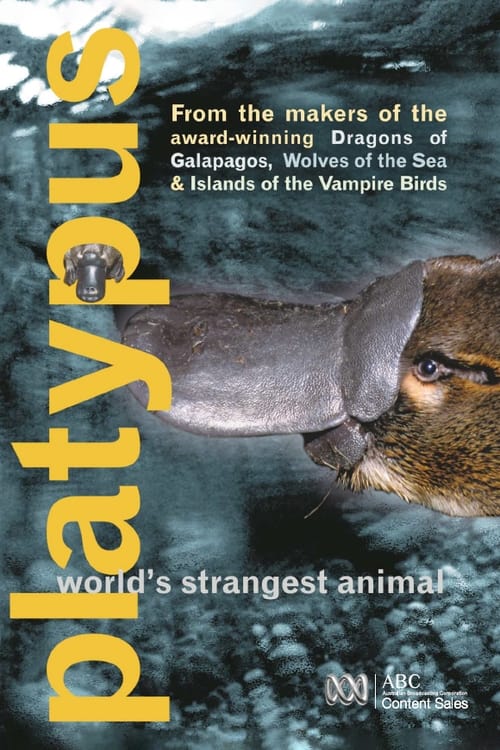
Overview
One of only two living mammals to lay eggs, the platypus has baffled and inspired the scientific community for hundreds of years. Three years in the making, this stunning natural history film takes us down the East Coast of Australia to the many serenely beautiful habitats of the platypus. Technology specially created for this film captures images from inside the nesting chamber of a wild platypus, and records the extraordinary sounds of the mother suckling her offspring. We watch as they grow from newborns to adulthood. Join renowned documentary makers David Parer and Elizabeth Parer-Cook (Dragons of Galapagos, Wolves of the Sea) on this fascinating journey from the rainforests of Queensland to the frozen mountains of Tasmania, as they reveal new insights into this mysterious creature.
Dialogue Timeline — 669 lines
A SAMPLE ACROSS THE RUNTIME — EVERY LINE IS SEARCHABLE
00:00:02 (GENTLE CLARINET SOLO)
00:02:34 Humans are rare in the remote Tasmanian wilderness.
00:04:27 they were learning how to keep platypuses alive in captivity.
00:06:19 Nina has been fascinated by the platypus
00:08:07 And we could follow her to this island
00:09:52 He was by far more curious than afraid.
00:11:28 It's always worth seeing what Hari's doing.
00:13:10 of a platypus
00:16:03 The other inhabitants of the pool
00:18:27 There's even better feeding
00:20:46 apparently unaware of the intruder.
00:23:18 and mating takes place.
00:25:42 who'll be around when that moment comes.
00:28:35 DAVID: In the early afternoon
00:30:33 All the fur is away from the tail surface.
00:32:29 Nope.
00:33:58 OK, I'm just going to feel first.
00:35:14 just as a baby platypus would have a recognisable bill.
00:37:03 FreQuent measurements over the past two weeks
00:39:03 The bill looked huge through the endoscope
00:40:54 to find the milk patches of the mother.
00:43:11 (PLAYFUL MUSIC CONTINUES)
00:45:29 Then she's through into the chamber.
00:47:51 Markus and Nina spot one of the young platypuses in the water.