
One Day in Auschwitz
2015 · 45 MIN · IMDB 7.8 · 322 VOTES · DIR. Steve Purcell
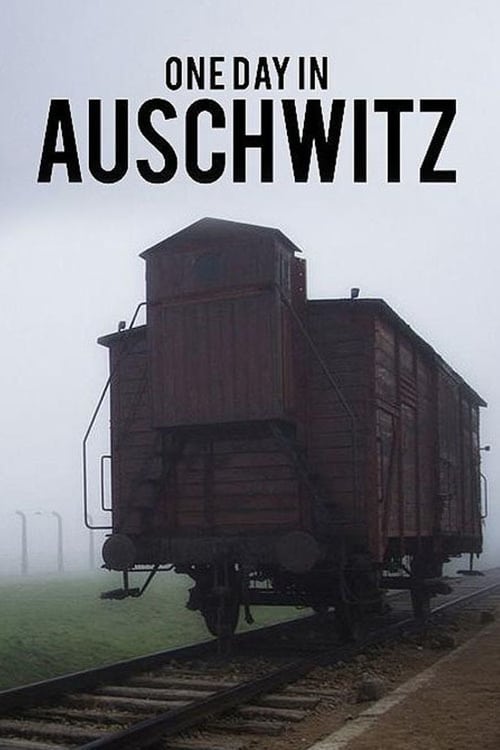
Overview
Auschwitz-Birkenau was designed to kill. Four gas chambers murdered thousands at a time, belching out smoke and human ashes. Starvation, thirst, disease, and hard labor reduced the average lifespan to less than three months. More than 1-million people perished in the largest German Nazi concentration and extermination camp. Seventy years after her liberation, Kitty Hart-Moxon makes a final return to Auschwitz-Birkenau to walk among the crumbling memorial with students Natalia and Lydia, who, at 16, are the same age now as she was then. As Kitty tells them her story of daily existence, themes begin to emerge: the ever-present threat of death, resilience, friendship, human strength, resisting the Nazis' constant lethal intent, and living like an animal while still remaining human. Natalia and Lydia ask questions; Kitty provides answers, passing her legacy to the next generation.
Dialogue Timeline — 1,191 lines
A SAMPLE ACROSS THE RUNTIME — EVERY LINE IS SEARCHABLE
00:00:05 Auschwitz
00:02:28 and understand a bit better
00:04:30 My father decided we've got to get out.
00:06:20 And landed up far, far inside Germany.
00:08:13 But we had absolutely no idea where we were
00:10:06 And I said to my mother, "she's cold, she's dead."
00:12:04 Everything was very nice and quiet
00:13:54 Everything was taken from you
00:15:56 Get away from all these people
00:17:57 Did you ever have to collect the corpses after roll call?
00:20:01 by such a way as listening very carefully
00:21:52 because she was inside
00:23:55 and there was nothing she could do about that.
00:25:47 They could hear the desperation
00:28:00 To the next person.
00:29:57 If someone that had typhus, I was on my mother's block.
00:31:48 There was a place called kanada
00:33:56 like a trestle
00:35:49 Now, the ss woman who accompanied us
00:38:01 Kitty hart-moxon was placed in the kanada section
00:40:10 with something valuable inside themselves.
00:42:27 did not go like lambs to the slaughter.
00:44:39 It meant that for the first time
01:09:04 as transports of Jews